Vibe coding workflowImpact: Medium
Oleksandr Kuzmenko, EditorPublished 2 min readAI-assisted · editor-reviewed
TL;DR
- Agentic IDE workflows can compress disparate microservice stacks into unified binaries.
- Single-binary architectures dramatically simplify backup, deployment, and memory footprints.
- Strict automated regression tests are essential when letting agents synthesize multi-system logic.
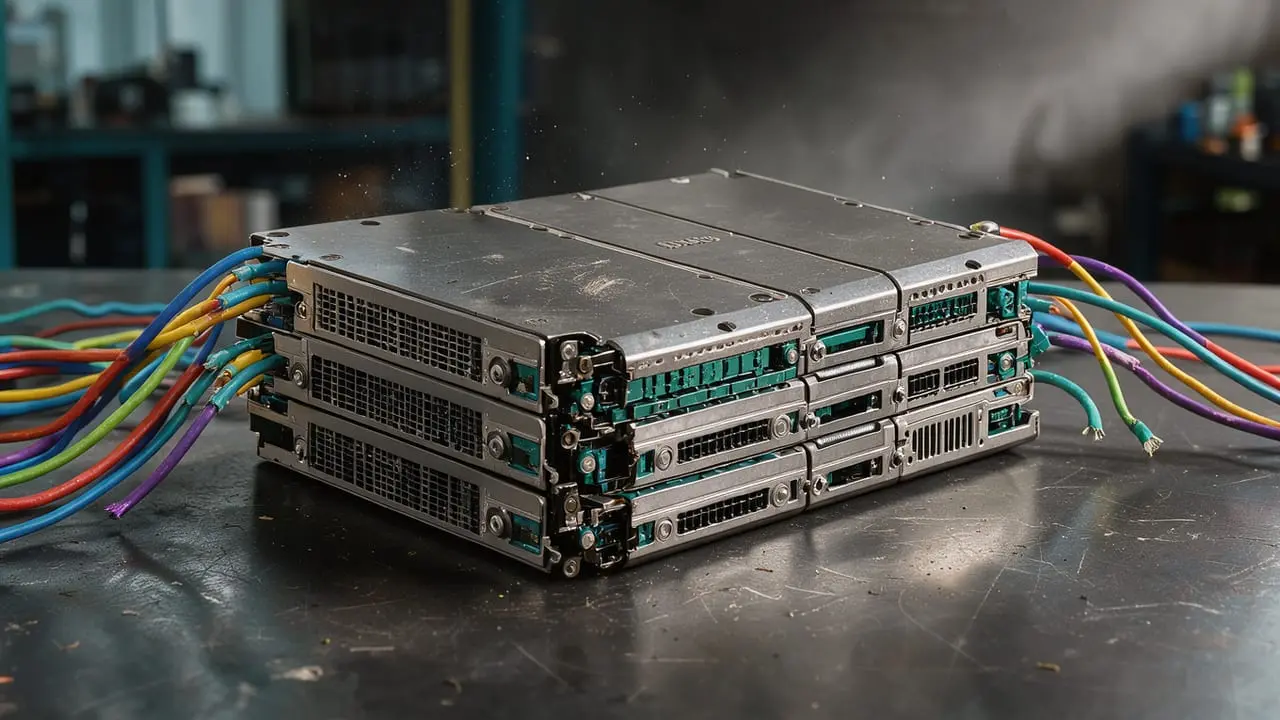
Agentic Architecture Consolidation. In a community showcase on r/ClaudeAI, a developer documented the full migration of six fragmented self-hosted media server utilities into a unified 17MB binary built with Claude Code. The project demonstrated how autonomous CLI coding assistants excel at cross-referencing multiple API schemas, removing redundant dependencies, and porting distributed logic into a centralized, efficient software architecture.
When to use
- Ideal for personal servers, side projects, and home labs overloaded with single-purpose Docker containers.
When NOT to use
- Avoid consolidating enterprise applications where independent service scaling and decoupled deployment boundaries are strict requirements.
What to do today
- Audit your self-hosted Docker compose files for redundant single-purpose utilities.
- Prompt Claude Code to generate unified data models across the target microservices.
- Compile consolidated services into static binaries to reduce container orchestration overhead.
Step names are taken from What to do today.
Step names are taken from What to do today. Audit your self-hosted Docker compose files for redundant single-purpose utilities.. Prompt Claude Code to generate unified data models across the target microservices.. Compile consolidated services into static binaries to reduce container orchestration overhead.
- Audit your self-hosted Docker compose files for redundant single-purpose utilities.
- Prompt Claude Code to generate unified data models across the target microservices.
- Compile consolidated services into static binaries to reduce container orchestration overhead.