Vibe Coding Hardware: Designing Functional Printed Circuit Boards with Claude
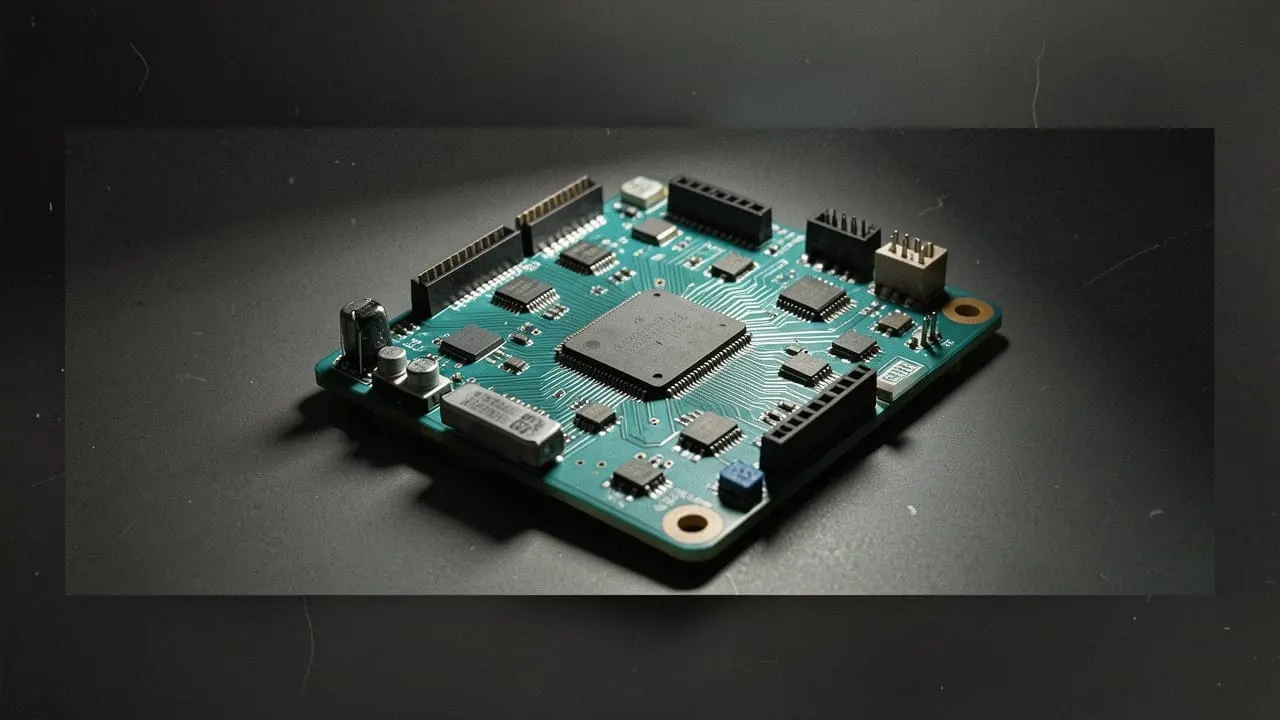
A maker successfully manufactured and tested a physical printed circuit board designed entirely through conversational prompts with Claude. The experiment confirms that vibe-coding workflows can bridge software logic and electrical engineering by generating schematics, footprint mappings, and netlists.
Impact: Medium
Why it matters
Developers can design custom hardware breakouts, Internet of Things sensor nodes, and microcontrollers without prior electronic design automation mastery.
TL;DR
- 01Claude can translate plain-English hardware specifications into valid netlists and component bills of materials.
- 02Automated Design Rule Checks in tools like KiCad are mandatory before ordering fabricated boards.
- 03Vibe-coding workflows are expanding past software to synthesize physical computing devices.
Conversational Electronic Design Automation
A functional hardware project showed that Claude can handle end-to-end printed circuit board design, taking verbal specifications and producing fabrication-ready outputs. By delegating pinout routing, netlist definitions, and bill-of-materials sourcing to the assistant, software engineers can bypass traditional learning curves associated with electronic design automation suites. The workflow emphasizes prompt-driven hardware synthesis, where human developers supervise electrical constraints while AI handles structural netlist generation.
✓ When to use
- Prototyping microcontroller breakout boards and sensor breakout shields.
- Automating component selection and pinout mapping from textual device specs.
✕ When NOT to use
- High-frequency radio frequency or impedance-controlled multi-layer board designs.
- Mains-voltage or safety-critical power delivery circuits without professional electrical certification.
What to do today
- Prompt Claude to generate Python scripts utilizing the KiCad PCB scripting API for layout automation.
- Always execute automated Design Rule Checks on model-generated PCB layouts to catch overlapping traces.
- Verify pinouts and voltage logic thresholds against manufacturer component datasheets before ordering boards.
Sources