Isolating Parallel AI Coding Agents into Cloud Virtual Machines
Running multiple AI agents locally causes database collisions, port conflicts, and dev server lockouts. Moving each agent into an isolated cloud virtual machine allows developers to dispatch parallel tasks and verify code via live preview URLs.
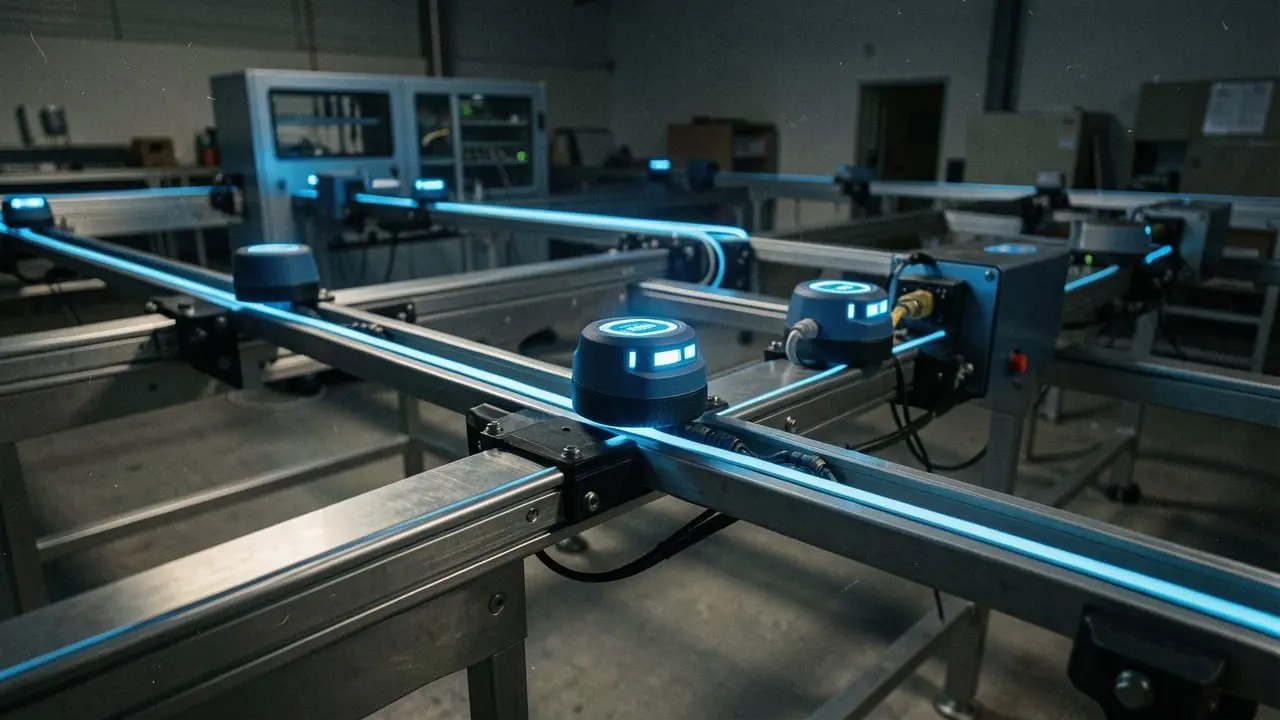
Why it matters
You can unblock your agentic development workflow by treating cloud agent environments as parallel execution nodes instead of queuing tasks on your laptop.
TL;DR
- 01Git worktrees do not solve dev server and database port contention during parallel agent execution.
- 02Cloud VMs provide dedicated runtimes with preview URLs for zero-interference multi-agent workflows.
- 03Offload heavy verification (stress tests, demo recordings) to remote agent runners to keep local machines responsive.
Key facts
- Architecture Model
- Dedicated cloud VM (orb) per agent task
- Execution Pattern
- Parallel GPU-like dispatch vs sequential CPU-like local queue
The Bottleneck of Local Parallel Agents
When developers scale beyond a single coding assistant, local machines become a severe constraint. Even with Git worktrees, running multiple agents in parallel introduces:
- Port collisions between simultaneous development servers
- Database contention and conflicting migration scripts
- Cross-agent file overwrites when agents touch overlapping modules
- Severe CPU and memory degradation during concurrent test runs
Dedicated Cloud Environments per Agent
Instead of sharing hardware across multiple agents, the emerging pattern assigns a dedicated ephemeral cloud machine (such as AmpCode "orbs") to each task. Each cloud instance independently clones the repository, spins up the application stack, and runs an autonomous agent.
Verifiable Output and Portals
Cloud instances provide live preview URLs ("portals"), allowing developers to test the modified application before merging changes. Tasks conclude with deterministic verification prompts, such as demanding test traces or simulated database stress runs, keeping the local machine reserved strictly for credential management and production log monitoring.
Try it in 2 minutes
Give me irrefutable evidence that this works, including full test output and simulated DB load.markdown
✓ When to use
- Running 3 or more autonomous coding agents simultaneously on complex full-stack repositories.
- Long-running refactoring or migration tasks requiring heavy test suites and simulated writes.
✕ When NOT to use
- Single-file quick fixes where local editing overhead is under 30 seconds.
- Air-gapped codebases with strict prohibitions on cloud development environments.
What to do today
- Separate long-running agent refactoring tasks into isolated cloud instances rather than local Git worktrees.
- Add explicit verification prompts requiring agents to produce runnable test logs or recorded previews.